Maybe you were told you may have poor egg or sperm quality. Or maybe you saw one of Conceive Health’s posts about it. But how do you know if your egg or sperm quality need help? The below factors may provide a hint…
Signs of low egg quality (and when to get support)
Do you ovulate late in your cycle (after day 16)?
WHY: Your body is probably trying really hard to get a follicle to mature, and it’s not responding. When we see ovulation around day 16 or later, the follicle is probably not a healthy one.
Does your estrogen barely rise from day 3 to day 9, or not very much?
WHY: A healthy follicle (with an egg inside) is what makes estrogen. So if your estrogen is not rising, it’s likely because the follicle (or multiple follicles) isn’t making it (we normally expect a rise of about 100-200 nmol/L per day per follicle).
Signs of low sperm quality (and when to get support)
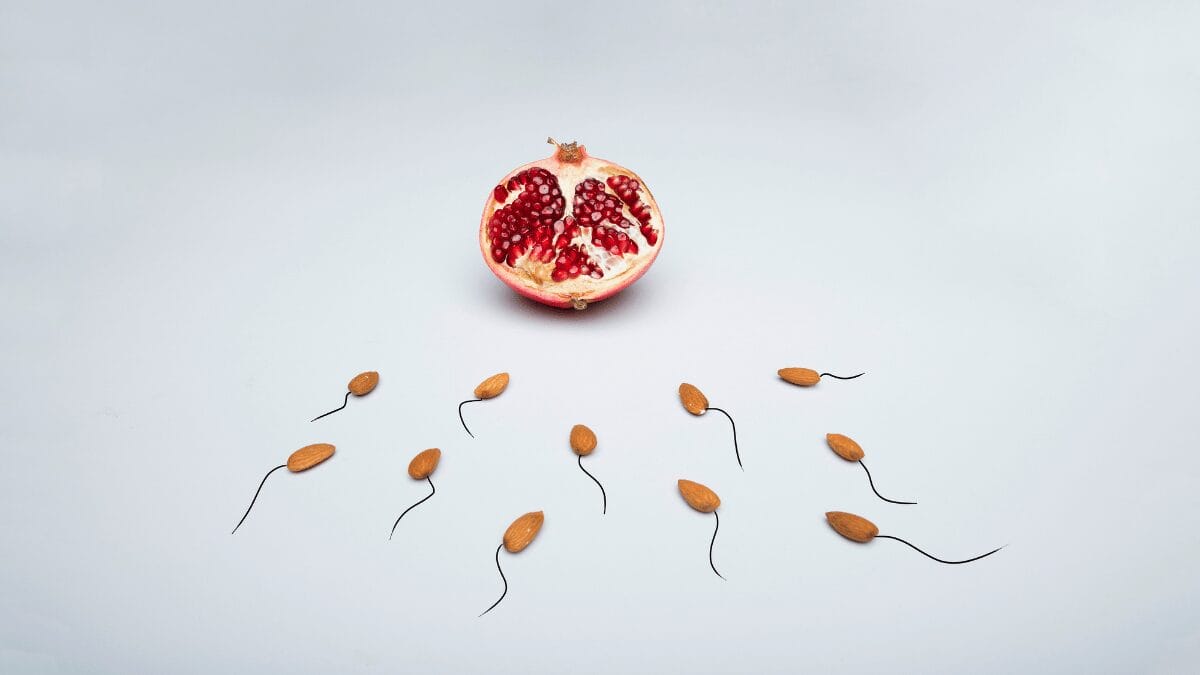
Is the semen analysis “normal,” but the clinician noted things like “bent necks, misshapen heads, abnormal tails”?
WHY: The head of the sperm is where all the DNA is kept. A misshapen head probably means incomplete or abnormal DNA, or a problem with the acrosome cap that likely can’t fertilize an egg.
The neck is where the mitochondria are kept, which is the engine of the sperm. If they are misshapen, there are issues with the sperm’s ability to propel to the egg. If your overall counts in your semen analysis were abnormal, it is also a direct sign you need sperm quality (and quantity) support
How to improve egg and sperm quality: nutrition + lifestyle
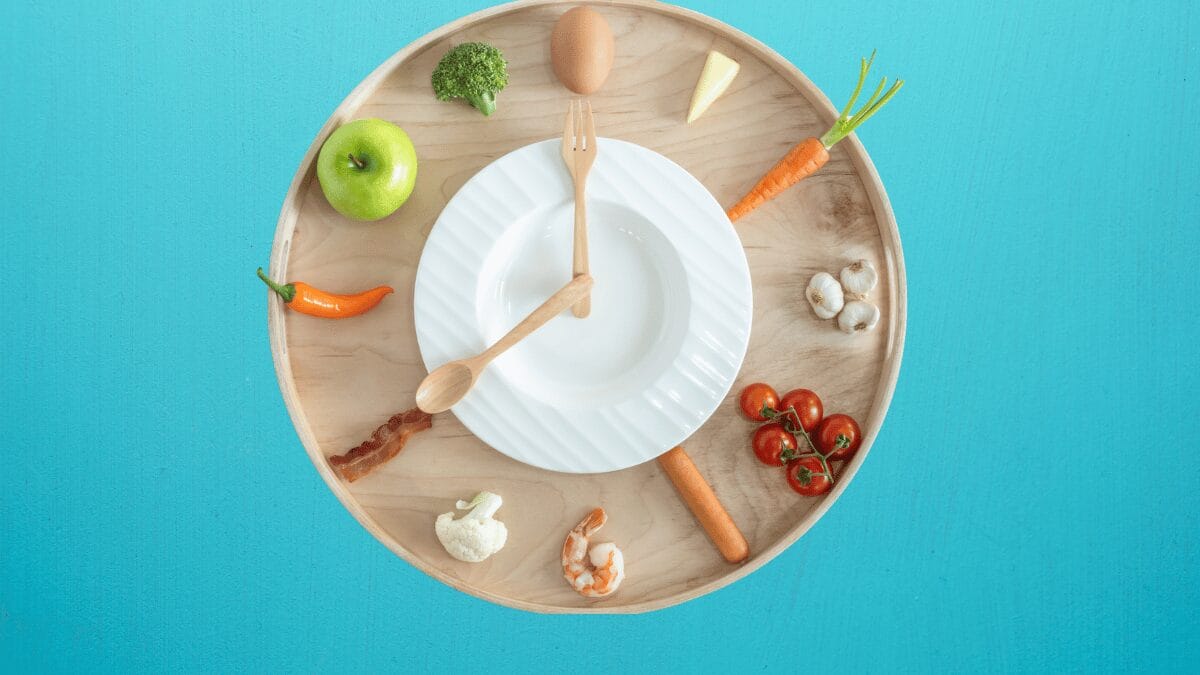
Do you eat a whole foods diet?
WHY: Research on food and fertility is clear: a whole foods, mediterranean style diet for both partners supports fertility and gives the best outcomes in IUI and IVF.
Aim for half your plate to be vegetables. Note that frozen fruit and vegetables are just as nutritious as fresh! This way you’re getting the vitamins, minerals, antioxidants, and polyphenols necessary for egg and sperm health.
Aim for quality protein sources, such as fish, eggs, lean meats, dairy, legumes, nuts/seeds. Reduce fried food and red meat.
Aim for olive oil as a high quality fat source.
Aim for whole grains and complex carbs where possible, like sweet potato, squash, brown rice, and whole wheat.
Aim to reduce processed foods with additives, dyes, flavourings to make it palatable, trans fats, or microwave meals.
Miscarriage history: when to support both egg AND sperm quality
Have you had 1 or more miscarriage?
WHY: both egg AND sperm should be properly supported. There are many possible causes of miscarriages, and they should all be investigated by your medical/naturopathic team, but this is one of them. If the most common cause of miscarriage is genetic abnormality, our philosophy is that by making sure our starting ingredients (egg and sperm) are as healthy as possible, the more likely we are to have a genetically normal pregnancy.
Oxidative stress and fertility: how it affects egg and sperm quality
Do you know what oxidative stress is?
WHY: Oxidative stress one of the things that can affect egg and sperm health, so we need to know what it is:
It’s imbalanced cellular biochemistry that can lead to damage to our cells, mitochondria, and DNA.
It’s excess sugar consumption, rancid oil (think: heated vegetable oils, oil you’ve had “forever” in your cupboard that smells a bit off), pesticides, chronic lack of sleep, physical inactivity, iron overload (get your numbers tested!), alcohol, food additives, nutrient deficiencies, smoking/vaping.
It’s why you heard that CoQ10 is good for fertility – because it is an ANTIoxidant! It helps put out the fire of oxidative stress.
Other things that work as antioxidants are colourful fruits and veggies, raw nuts, Vitamins E, C, selenium, and more.
Symptoms of oxidative stress: wrinkles and grey hair, decreased eyesight, headaches and sensitivity to noise, poor wound healing, brain fog and/or memory loss, fatigue
Egg and sperm quality timeline: why the 100-day window matters
Are you over the age of 35?
WHY: Oxidative stress is also why you’ll see that age is a big factor in egg quality. If you can counteract the stress of aging on the body, you can beat the statistics. If you’re under 35, start now with the same antioxidant principles above (and maybe a few supplements, with the help of your Naturopathic Doctor).
What were you doing 3-4 months ago?
WHY: Your activities and health over the past few months affect egg and sperm health, which take 100 days to make from start to finish.
We like to say: grow your egg/sperm in the same conditions you would grow a baby in. Eat nutrient dense food and avoid social drugs like alcohol, as if you were already pregnant.
Next steps: fertility testing and a personalized plan
If you want to learn more about how you can support your fertility, or to book a virtual appointment with a Conceive Health ND, book online: https://conceive.janeapp.com/
If you’re wondering about timelines and what comes next, you may also find these pages helpful:
- Frequently Asked Questions and Infertility Support.
- If cycle timing is part of your question, you can also read How Do I Use Temperatures to Track Ovulation?
- If you have sperm testing questions or want male-factor-specific support, learn more about Male Infertility Support.
- For a deeper overview of supporting both partners before pregnancy, visit Preconception Healthcare.
- If you’ve experienced pregnancy loss and want to explore support options, visit Pregnancy Loss Support.